Planning your first safari in Kenya can feel like assembling a puzzle with too many appealing pieces. One guide tells you to spend your entire budget in the Maasai Mara; another insists you fly north to Samburu or head south to Amboseli. You hear conflicting advice about rainy seasons, conservancies, Land Cruisers, and park entrance fees.
The truth is simpler than most glossy brochures make it seem. A good Kenyan safari is not about checking off five animals as quickly as possible. It is about understanding how geography, water, and wildlife movements interact, then designing an itinerary that matches your pace, budget, and interests.
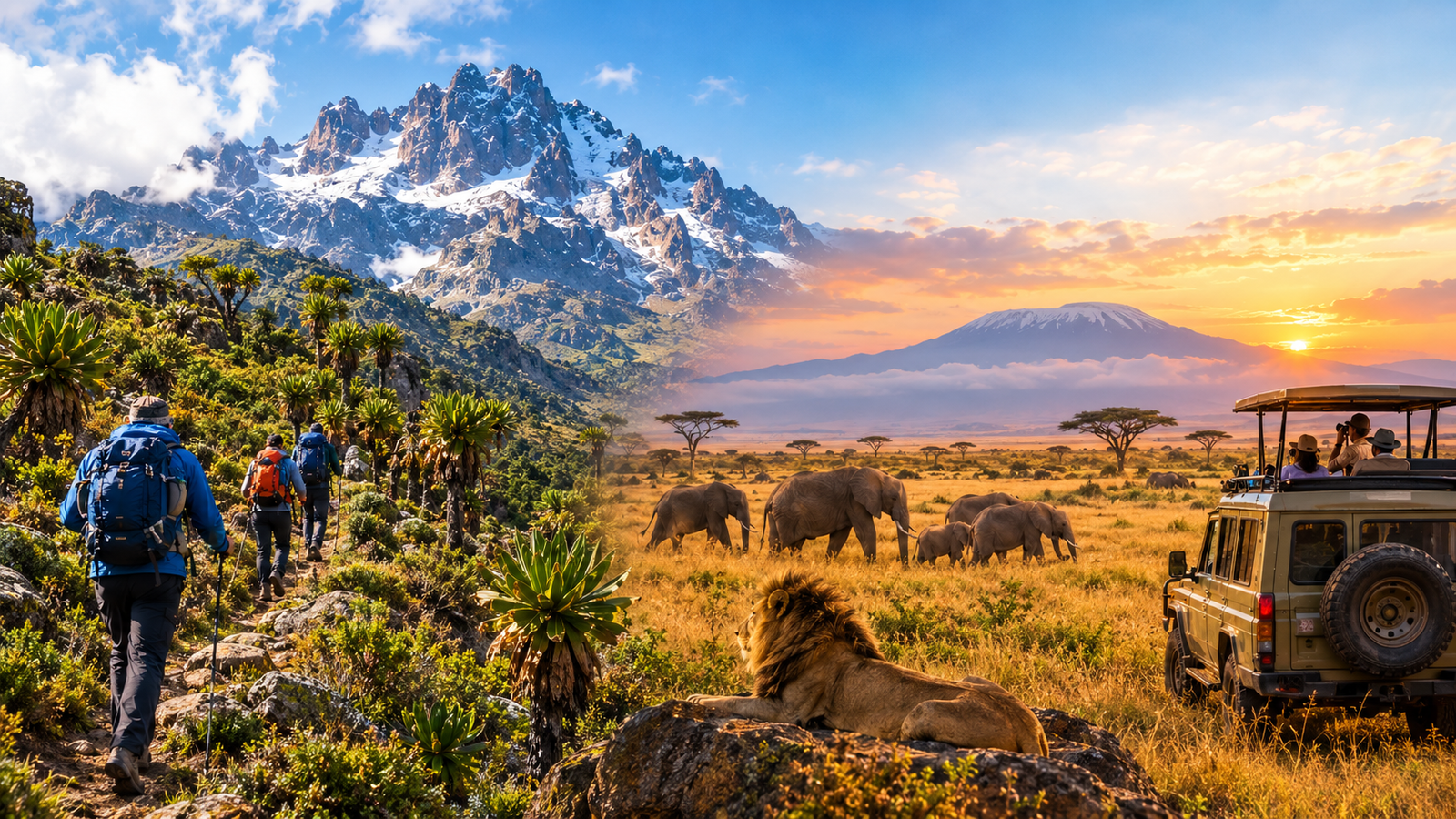
Whether you want to track big cats across open savanna, watch elephant herds against the snow-capped outline of Mount Kilimanjaro, or explore quieter private conservancies, this guide covers everything you need to plan a realistic and rewarding trip. For more detailed seasonal advice, explore our guide to the best time for a Kenyan safari.
Key Safari Circuits: Choosing Where to Go
Kenya's national parks, game reserves, and private conservancies are grouped into distinct geographical circuits. Most first-time visitors focus on the southern and central circuits, but each region has its own character, wildlife, and ideal travel style.
1. The Maasai Mara and the Great Rift Valley
The Character: Wide-open grasslands, riverine forests, and high concentrations of predators.
The Wildlife: Lions, cheetahs, leopards, large elephant herds, hippos, crocodiles, and large numbers of wildebeest and zebras during the Great Migration.
Best For: First-time safari-goers, big-cat enthusiasts, and migration watchers.
The Maasai Mara National Reserve and its surrounding community conservancies form one of Kenya's premier wildlife destinations. The reserve is accessible to visitors with valid entry permits and can become busy around major river crossings, particularly during the July to October period. However, nearby conservancies, such as Mara North, Olare Orok, and Naboisho, generally restrict access to guests staying at camps within their respective areas. Depending on the conservancy's rules, these restrictions can mean fewer vehicles at sightings, opportunities for off-road driving, and guided night game drives where permitted.
On the journey from Nairobi to the Mara, many travellers stop in the Great Rift Valley to explore Lake Naivasha or Lake Nakuru National Park, known for its rhino conservation areas and lakeshore birdlife.
2. Amboseli National Park and Mount Kilimanjaro
The Character: Dusty alkaline basins, lush spring-fed swamps, and views of Tanzania's Mount Kilimanjaro across the border.
The Wildlife: Large elephant herds, lions, hyenas, cheetahs, and more than 400 bird species.
Best For: Elephant enthusiasts, photographers, and travellers looking to add two or three days to a longer itinerary.
Amboseli is relatively compact compared with Tsavo or the Maasai Mara, making it possible to explore its main wildlife-viewing areas within a shorter visit. One of its greatest attractions is watching elephant families move through green marshlands, with the dusty plains and, when visibility permits, Mount Kilimanjaro providing a dramatic backdrop.
3. Samburu and the Arid North
The Character: Rugged semi-arid landscapes bisected by the Ewaso Nyiro River.
The Wildlife: The Samburu Special Five: reticulated giraffe, Grevy's zebra, Beisa oryx, Somali ostrich, and gerenuk, an antelope known for standing on its hind legs to browse on acacia trees.
Best For: Repeat safari travellers, culture-focused explorers, and visitors seeking destinations away from Kenya's more heavily visited safari circuits.
Samburu National Reserve, together with neighbouring Buffalo Springs and Shaba, offers a striking contrast to southern Kenya. Red earth, acacia scrubland, and distinctive northern wildlife give the region a character quite different from the Maasai Mara's rolling grasslands.
4. Tsavo East and Tsavo West National Parks
The Character: Vast wilderness landscapes. Tsavo East features extensive open scrublands and red dust that gives the area's elephants their distinctive appearance. Tsavo West offers volcanic landscapes, lava flows, and natural springs at Mzima Springs.
The Wildlife: Red elephants, lions, leopards, rhinos in protected sanctuaries, and hippos.
Best For: Road-trip enthusiasts, budget-conscious travellers, and visitors combining a safari with a coastal holiday in Diani Beach or Mombasa.
Tsavo East and Tsavo West together form one of Kenya's largest protected wilderness areas. Because of their vast size, wildlife can be spread across extensive landscapes, making game drives feel like genuine tracking expeditions rather than a series of quick sightings.
Wildlife Seasons and Migration Timing
Kenya's climate is characterised by alternating dry and wet seasons rather than the traditional summer and winter seasons experienced in some other parts of the world. Understanding these seasonal changes helps you manage expectations around animal behaviour, vegetation, wildlife visibility, and accommodation prices.
| Season | Months | Wildlife-viewing conditions | Travel conditions and pricing |
|---|---|---|---|
| Peak dry season | July–October | Wildlife often concentrates around available water sources; the Great Migration is a major attraction in the Mara. | Busy parks, higher prices, and a need to book well in advance. |
| Short rains | November–December | Green landscapes, newborn animals in some areas, and excellent birdwatching. | Moderate crowds, occasional afternoon showers, and potential value for money. |
| Short dry season | January–February | Generally favourable game viewing, clearer skies, and warm temperatures. | Demand can be high around holidays, with quieter periods in some destinations later in February. |
| Long rains (green season) | March–May | Lush vegetation, seasonal wildlife dispersal, and a period when many species give birth. | Potentially lower rates and fewer visitors, but heavy rainfall can affect road conditions. |
These are general seasonal patterns rather than guarantees. Rainfall, wildlife movements, road conditions, and accommodation rates can vary between destinations and from year to year.
Understanding the Great Wildebeest Migration
Between late June and October, large herds of wildebeest, accompanied by zebras and gazelles, move between Tanzania's Serengeti ecosystem and Kenya's Maasai Mara in search of fresh grazing. The timing and location of the herds vary from year to year, depending largely on rainfall and the availability of pasture.
- July–August: Herds may arrive in the Mara and gather near the Mara and Talek rivers, where dramatic crossings can occur.
- September–October: Herds may spread across different parts of the Mara ecosystem before beginning their movement south as seasonal conditions change.
Although river crossings are spectacular, they require patience. Visitors may spend hours in a safari vehicle beside a river as herds gather, retreat, and regroup before some animals finally cross. Being in the Mara during the migration period does not guarantee a river crossing during your visit.
Logistical Choices: How to Structure Your Safari
Drive-In vs. Fly-In Safaris
How you travel between destinations influences your budget, available sightseeing time, and overall comfort.
- Custom 4x4 Land Cruisers (drive-in): Travel with an experienced safari driver-guide from Nairobi through Kenya's wildlife circuits. This option can be cost-effective for families and small groups while allowing you to experience changing landscapes and rural communities along the way. However, some road transfers can be long and bumpy.
- Bush planes (fly-in): Fly from Nairobi's Wilson Airport to airstrips serving destinations such as the Maasai Mara, Samburu, and Amboseli. Depending on the route and schedule, this can save considerable travel time and offer impressive aerial views of the Rift Valley and surrounding landscapes. Transfers between the airstrip and accommodation are generally arranged with the camp or operator.
National Parks and Reserves vs. Community Conservancies
When browsing our available safari itineraries, you will find options that include national parks, reserves, and conservancies.
- National parks and reserves: These protected areas are managed by the relevant government authorities. Access rules, entry fees, and permitted activities vary by destination. They offer opportunities to explore iconic landscapes and established wildlife-viewing areas, although vehicle numbers around major sightings can be high.
- Community conservancies: These are conservation areas established through arrangements with local landowners and communities. Many restrict access to guests staying at participating camps, limit vehicle numbers at sightings, and support local livelihoods through tourism revenue, employment, and land-leasing arrangements. Where your budget allows, combining time in a national reserve with a community conservancy can provide a more varied safari experience.
What to Pack for the Bush
Packing for a Kenyan safari is about practical comfort rather than high fashion. Some bush flights enforce strict baggage allowances, often around 15 kg (33 lb) per passenger, including hand luggage, and may require soft-sided bags. Always confirm the specific airline's restrictions before travelling.
Essential Packing Checklist
- Neutral-coloured clothing: Pack lightweight cotton or linen clothing in khaki, beige, tan, and muted green. Avoid overly bright colours for certain wildlife activities, and consider limiting dark blue and black clothing in areas where tsetse flies occur. White clothing can also show red dust easily.
- Layered clothing: Early-morning game drives can be chilly, particularly in elevated areas such as the Maasai Mara and Laikipia. Temperatures can rise considerably by midday, so pack a fleece or windbreaker alongside lightweight shirts.
- Footwear: Comfortable walking shoes or trail runners are generally sufficient for vehicle-based game viewing and some guided bush walks. Sturdier hiking boots may be necessary for longer treks or more demanding terrain.
- Optics and equipment: Binoculars, such as an 8x42 or 10x42 pair, can make a significant difference when observing distant wildlife. Protect cameras, phones, and other electronics from dust with suitable covers or bags.
- Sun and health protection: Bring a wide-brimmed hat, high-SPF sunscreen, and insect repellent containing DEET or picaridin. Consult a qualified travel health professional about malaria prevention and any recommended vaccinations before departure.
Respecting Local Communities and Cultural Etiquette
Kenya's wildlife landscapes are also ancestral homelands for pastoralist communities, including the Maasai, Samburu, Turkana, and Pokot, who have long-standing relationships with the land and its wildlife.
- Always ask before photographing people: Seek permission before photographing individuals, children, or traditional homesteads, including manyattas. Avoid taking photographs from a vehicle without consent.
- Support responsible community tourism: Look for operators and camps that employ local people in meaningful roles, source goods locally where practical, and contribute transparently to community conservation and livelihood initiatives.
- Approach cultural visits respectfully: Many village visits are offered as optional activities. Treat them as opportunities for cultural exchange rather than simply photo opportunities. Listen, ask respectful questions about daily life and livestock management, and consider purchasing handicrafts directly from the people who make them.
Combining Bush and Beach
One of Kenya's greatest advantages as a travel destination is its geographical diversity. After several days of early-morning game drives and dusty safari roads, you can continue to the turquoise waters of the Indian Ocean for a more relaxed coastal holiday.
Depending on available schedules and connections, flights from safari destinations may connect with coastal airports serving Diani Beach or Lamu Island.
- Diani Beach: Known for its white-sand shoreline, coral reefs, diving and snorkelling opportunities, and coastal restaurants.
- Lamu Island: A UNESCO World Heritage site celebrated for its Swahili heritage, historic architecture, narrow streets, traditional wooden dhows, and slower pace of life.
How to Start Planning Your Itinerary
Planning a rewarding safari begins with three decisions: how many days you have, what pace you prefer, and how you want to allocate your budget.
- For a seven-day first safari: Consider spending three nights in Amboseli or Samburu, followed by three or four nights in the Maasai Mara, allowing for travel time between destinations.
- For a ten-day bush-and-beach holiday: Consider three nights in the Mara, two nights around Lake Naivasha or in Laikipia, and four nights on the Swahili Coast.
- For an off-the-beaten-path adventure: Focus on northern Kenya by combining Samburu with selected Laikipia conservancies and Lewa Wildlife Conservancy.
These are starting points rather than fixed itineraries. The most suitable route will depend on your departure point, travel dates, transport arrangements, budget, and the amount of time you want to spend in each destination.
Explore our selection of East African itineraries on the Vumbi Ventures Safari Marketplace, or browse our destination guides to discover more ways to experience authentic travel across the region. To learn more about our approach to responsible travel and community storytelling, read our story.
Frequently Asked Questions
What is the best time to go on safari in Kenya?
June to October is generally popular for wildlife viewing in many safari areas because conditions are often drier. However, November to December and January to February can also offer rewarding experiences. The best period depends on your preferred destinations, budget, and wildlife interests.
When can I see the Great Migration in the Maasai Mara?
Migration activity in the Maasai Mara is commonly associated with July to October, but the exact timing varies with rainfall and grazing conditions. River crossings are unpredictable and cannot be guaranteed.
What is the difference between a national reserve and a conservancy?
National parks and reserves are protected areas managed by the relevant authorities, while community conservancies operate through conservation arrangements involving local landowners and communities. Access rules, activities, and accommodation requirements vary by location.
Is a drive-in or fly-in safari better?
A drive-in safari can be a practical choice for travellers who want to explore the countryside and manage transport costs. A fly-in safari can save time on long journeys, although flights and associated transfers may increase the overall cost.
Can I combine a Kenyan safari with a beach holiday?
Yes. Many travellers combine wildlife destinations such as the Maasai Mara or Amboseli with a coastal stay at Diani Beach or Lamu Island. The best arrangement depends on your available days and flight connections.
What should I pack for a Kenya safari?
Pack lightweight neutral-coloured clothing, a warm layer for early mornings, comfortable footwear, sun protection, insect repellent, binoculars if available, personal medication, and travel documents. Check baggage restrictions with your airline or safari operator before departure.
A rewarding Kenyan safari begins with choosing destinations, seasons, and travel arrangements that fit your interests. You do not need to visit every famous park in one trip. Start with what matters most to you, then build an itinerary that gives you enough time to enjoy the experience.


